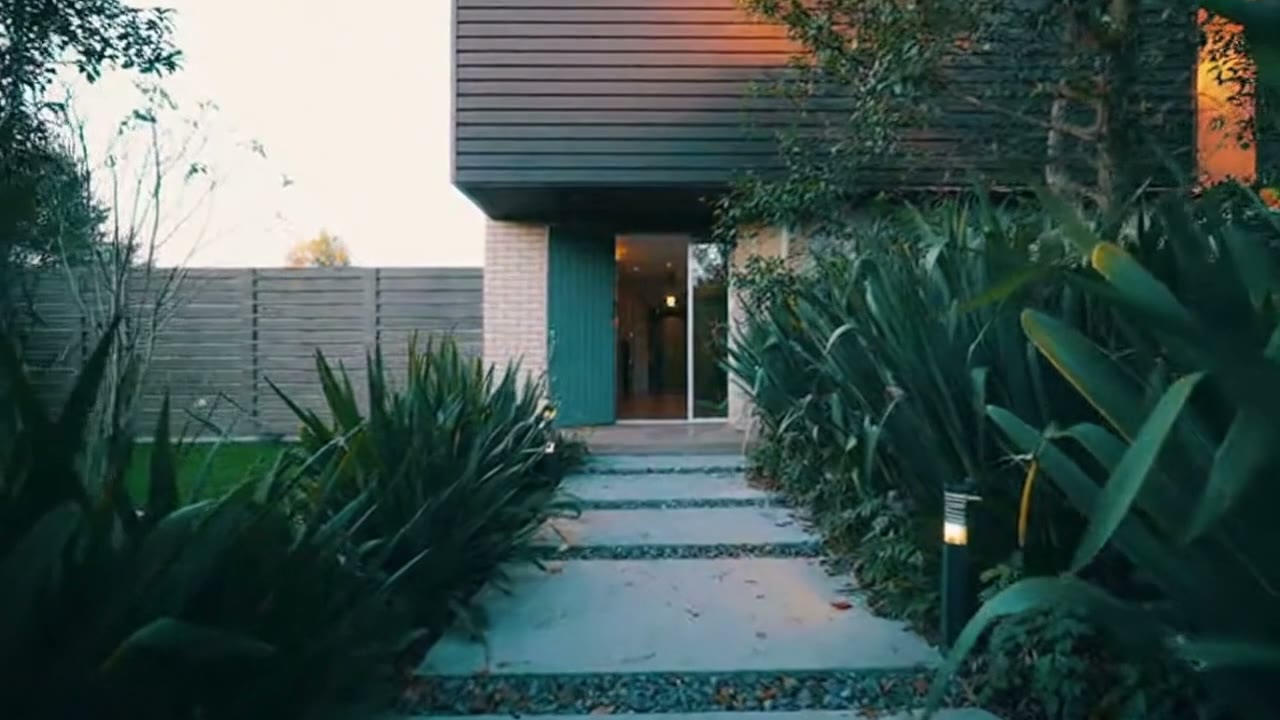
Walking through a potential home is one of the most exciting parts of buying, and it can also be the moment your judgement quietly slips. A well-presented house, fresh flowers and good light are designed to help you imagine your family settling in, which is lovely, but it is the agent's job to show the property at its best. Your job is to look underneath the presentation, ask the questions that matter, and keep enough distance to make a clear-headed call. Done well, an open home tells you far more than the listing photos ever could: how the place feels, where the light falls, what the neighbourhood is like, and which little things might turn into big costs. This guide gives you a calm, practical way to get the most out of every viewing so the home you eventually choose is one you can feel secure in for years.
Quick answer
Go to an open home to gather facts, not just feelings. Look past the styling: check for damp smells, water stains on ceilings and around windows, cracks, sticking doors and signs of patch-up work. Test the practical things — water pressure, where the sun actually falls, mobile reception, and noise from roads or neighbours. Ask the agent direct questions about the method of sale, the chattels included, any known issues, and whether a LIM or building report is available. Note what you cannot see on the day, like the property at night or in heavy rain. Most importantly, treat the open home as the start of your due diligence, never the end of it — the real checks (LIM, building inspection, title and legal review) come before you commit.
The detail, in plain English
Arrive a little early and look at the street and neighbours, not just the house. The setting is part of what you are buying and it does not get staged. Once inside, use your nose as much as your eyes — a musty or chemically-fresh smell can hint at damp or a cover-up. Scan ceilings and the tops of windows for water stains, check inside cupboards and behind furniture if you can, and look at where walls meet floors for cracking or movement. Test the boring essentials. Turn on a tap to feel the water pressure, flush a toilet, open and close windows and doors to see if anything sticks, and notice whether the home feels warm and dry or cold and stuffy. Stand in the main living areas and work out which way they face, because a home that is bright at the open home might be in shade for most of the day. Check phone reception while you are there. Ask the agent the questions that actually shape your decision: How is the property being sold — auction, deadline sale or by negotiation? What chattels are included? Are there any known issues, leaks, or unconsented work? Is there a LIM or building report you can see, or will you need to arrange your own? How much interest has there been? You will not always get a full answer, but how openly the agent responds tells you something too. Look beyond the rooms, too. Step outside and check the section: drainage, fences, the state of the roof and gutters from what you can see, and whether the boundaries match what you expect. In an apartment or unit-title property, ask about the body corporate — the levies, any planned major works, and whether there have been weathertightness or maintenance issues, because those costs land on you as an owner. For a cross-lease, ask whether any additions were approved by the other owners, since unapproved changes can cause real headaches later. Write quick notes and take photos for each property, because after three or four open homes they blur together. Rate each one on the things that actually matter to you — light, warmth, layout, location, condition — rather than how nicely it was styled. And remember what an open home cannot show you: the place at night, in a storm, with the neighbours home, during rush-hour traffic, or what the council records reveal. Those gaps are exactly why your real checks — the LIM, the building report and the legal review — come later, and why you should never let a great open home talk you out of doing them.
What it means for you
Treat each open home as a free, low-pressure way to narrow your list and spot problems early, while keeping your emotions in check so you do not overpay for a feeling. The homes that survive your practical scrutiny are the ones worth spending money on for a LIM and a building inspection. If something feels off — a smell, a fresh patch of paint in an odd spot, an agent who dodges a straight question — that is a prompt to dig deeper, not to ignore. When a property genuinely fits, move into proper due diligence promptly, because good homes attract competition. Buyer-side help can make a real difference here: someone on your side can attend viewings with a critical eye and ask the questions you might not think of. We can match you, free, with buyer-side support and the right professionals so you are not navigating the open-home circuit alone.
Common questions
What should I never skip at an open home? Smell, ceilings and window surrounds for water signs, water pressure, and which way the living spaces face. These five take minutes and reveal a lot. Is it rude to ask hard questions? No. A good agent expects buyers to ask about the method of sale, chattels, known issues and reports. You are making one of the biggest decisions of your life. Can I get a building report from just an open home? Not from the visit itself — you arrange a building or property inspection separately, usually once you are seriously interested. The open home only tells you whether it is worth that step. Should I show how much I love it? Keep your enthusiasm measured, especially if the property is going to auction or negotiation. Visible attachment can weaken your position later.
Your next step
Use open homes to filter, ask and observe, then move to real due diligence on the places that pass. Maifang is free, independent and no-obligation. Tell us what you are looking for and we will match you with buyer-side help and the licensed professionals — inspector, lawyer, mortgage adviser — who turn a hopeful viewing into a confident purchase and a safe place to call home.
In plain English: Look past the styling: check for damp, water stains and cracks, test water pressure and which way rooms face, and ask the agent about the sale method, chattels and any reports. The open home is the start of your checks, not the end — the LIM, building report and legal review come before you commit.
General information, not personalised real-estate, legal or financial advice. Confirm your situation with a licensed adviser. Read the full disclaimer →