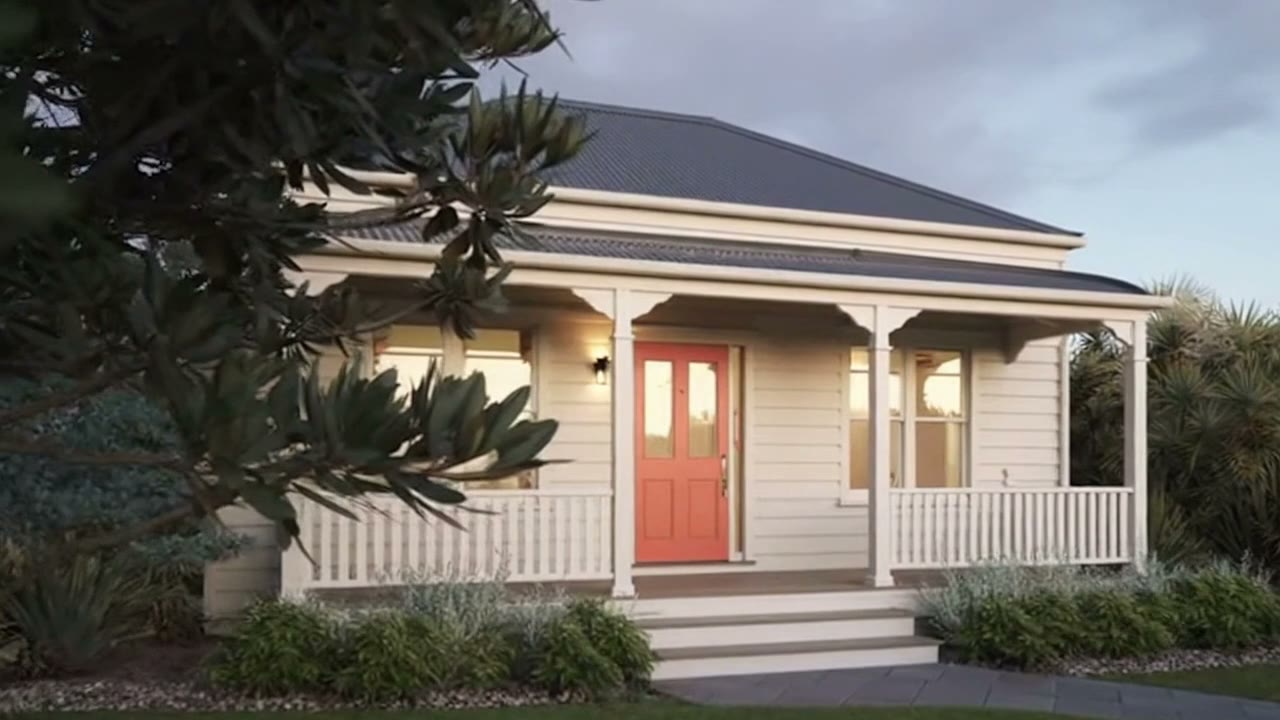
Leaving a home you have lived in is rarely just a numbers decision. For a lot of New Zealanders, the house holds years of family life, and the question "do I sell it or rent it out?" is really about how to keep a sense of security while you move on to the next chapter. Both choices can be the right one. Selling frees up your equity and gives you a clean break, which matters if you are buying again and need the deposit or want one less thing to manage. Renting it out keeps a foothold in the market and can bring in income, which appeals if you believe in the long-term value of where you live or you might want to move back one day. This guide walks through the trade-offs the way a calm friend would, so you can make a confident choice and put down roots wherever you are heading next.

Quick answer
There is no single right answer, only the one that fits your money and your life. Sell if you need the equity for your next home, you do not want the work and risk of being a landlord, or the numbers as a rental are thin once you count finance, rates, insurance and maintenance. Keep it and rent it out if the property has strong long-term prospects, the rent comfortably covers the costs, you can handle the responsibilities of being a landlord, and you are genuinely happy to hold for years rather than months. Run both scenarios as honest numbers before you decide, and confirm the tax angle with a professional, because keeping a former home as a rental can change your tax position.
The detail, in plain English
Start with the rental maths. Work out the realistic weekly rent for your area, then subtract the running costs: mortgage interest, rates, insurance, property management if you use it, repairs and the inevitable empty weeks between tenants. What is left is your real return, not the headline rent. Many homes that feel like "good rentals" only break even or run at a small loss once every cost is in, so the case for keeping them rests on long-term capital growth rather than monthly cashflow. Then weigh the responsibilities. As a landlord you must meet the Healthy Homes standards (heating, insulation, ventilation, moisture and drainage, draught stopping) and the wider Residential Tenancies Act rules on bonds, notice and maintenance. That is real work and real cost, whether you self-manage or pay a property manager a slice of the rent to handle it. Turning a former family home into a compliant rental can also mean upfront spending — a fixed heater in the living area, ceiling and underfloor insulation that meets the standard, extractor fans, and more — before you can lawfully rent it out. Budget for that, not just the ongoing costs. Tax matters too. While you live in a property as your main home it is generally treated differently from a rental. Once it becomes an investment property, rules like ring-fencing of rental losses and the bright-line test can come into play, and the bright-line clock and exemptions have changed several times. Renting out a former home for a period can affect whether a later sale is taxed. This is exactly the kind of thing to check with IRD or a tax adviser before you commit, not after. Do not forget finance, either. If you keep the home as a rental and buy your next place, you may be carrying two mortgages, and lenders treat investment lending differently from owner-occupier lending, often expecting a larger deposit and applying tighter loan-to-value limits. That can stretch your borrowing power for the home you actually want to live in. Releasing the equity by selling can be what makes your next purchase comfortable rather than a constant squeeze. Finally, think about emotion and flexibility. Selling is final and simple. Renting keeps the door open but ties up capital you might need elsewhere, and turns a place full of memories into a business you have to run, sometimes from another city. Be honest with yourself about whether you actually want to be a landlord — the late-night maintenance calls, the vacancy gaps, the compliance paperwork — or whether you are really just reluctant to let go of a home that has meant a lot. Both are valid feelings, but only one of them should be driving a long-term financial decision.
What it means for you
If you are buying your next home and the equity in this one is your deposit, selling is often the cleaner path, since you free the cash without taking on a second mortgage and a landlord's duties. If your finances are comfortable, you believe in the suburb's long-term future, and you have the temperament for the responsibilities, holding it as a rental can build wealth quietly over years. Be especially careful with the in-between option of "rent it for a while and sell later" — it sounds low-risk, but it can complicate your tax position and leaves you exposed to market timing. Whatever you lean towards, write down both versions as real figures, including the boring costs, and get a professional appraisal so you know what a sale would actually realise. We can match you, free, with a licensed local agent for an indicative appraisal and with an investment-savvy adviser to pressure-test the rental numbers, so you are not deciding in the dark.
Common questions
Will renting it out cost me tax later? It can. Turning a main home into a rental changes how it is treated, and rules such as the bright-line test and ring-fencing may apply. The detail depends on dates and your circumstances, so confirm with IRD or a tax adviser. Do I have to use a property manager? No, you can self-manage, but you are still fully responsible for meeting Healthy Homes standards and tenancy law. A manager takes a cut of the rent but handles compliance, inspections and problem tenants. What if I might move back one day? Holding keeps that option open, but factor in the cost of carrying the property and the tax consequences of switching it between home and rental. Many people find a clean sale plus buying again later is simpler than juggling both.
Your next step
The smartest move is to stop guessing and get two real inputs: what your home would sell for, and what it would actually return as a rental. With both in front of you, the decision usually makes itself. Maifang is free, independent and no-obligation. Request a free indicative appraisal and we will also point you to the right people to sanity-check the rental numbers, so you can move on with confidence and a plan.
In plain English: Sell if you need the equity or do not want the landlord work; rent it out only if the numbers genuinely stack up and you are happy to hold for years. Run both as real figures, check the tax, and get a free indicative appraisal before you decide.
General information, not personalised real-estate, legal or financial advice. Confirm your situation with a licensed adviser. Read the full disclaimer →