
Plenty of homes across New Zealand, especially older two- and three-unit sites in established suburbs, are held as cross-lease. It is a perfectly valid way to own a home, and these properties often sit in exactly the leafy, settled neighbourhoods families want. The catch is that cross-lease is more complicated than freehold, and one overlooked detail (an alteration never recorded on the plan) can quietly hold up a sale years later. Understanding the structure before you buy or sell means you can enjoy the home without the paperwork ever becoming a worry.
Quick answer
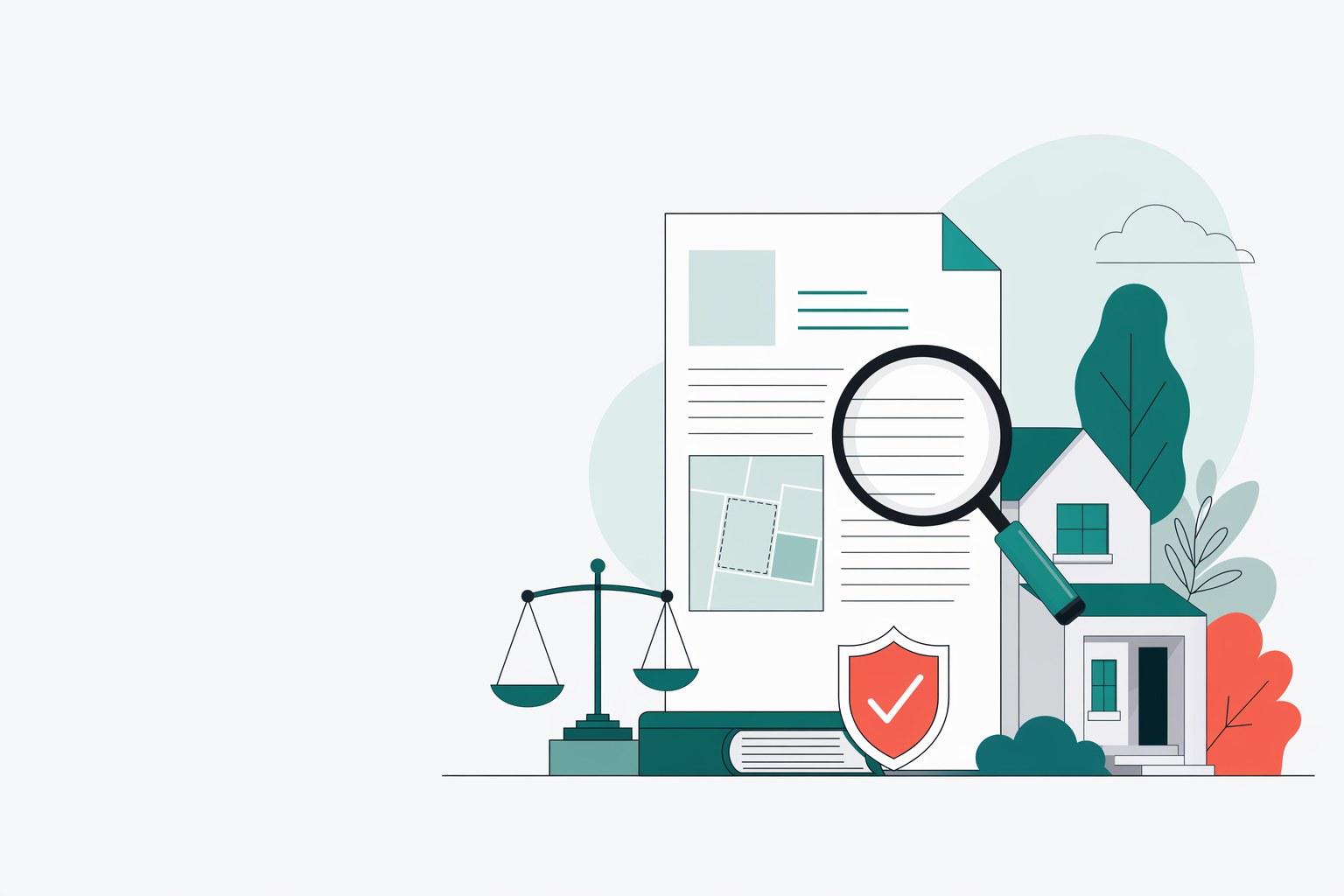
A cross-lease is a shared form of ownership where you own an undivided share of the whole piece of land jointly with the other owners on the site, and in return you hold a long lease of your particular dwelling. The layout of each dwelling is recorded on a flats plan attached to the title. That sounds tidy, but the well-known trap is when a previous owner altered their dwelling, added a deck, carport, conservatory or extension, without updating the flats plan. When the plan no longer matches what is actually built, the title is considered defective, which can complicate or delay a sale until it is corrected. Cross-lease differs from freehold, where you own your land outright with no co-owners and far more freedom to change things. Cross-lease homes can be great value in good locations, but a lawyer should always review the title and confirm the flats plan matches reality.
The detail, in plain English
Cross-lease was historically used to divide a section between two or three dwellings without going through a full subdivision. Each owner becomes a joint owner of the entire land and then leases back their own home for a very long term (often 999 years), with the lease referencing the flats plan that shows each dwelling footprint. Because the land is shared, owners are effectively in a relationship: significant changes to the buildings or the way the land is used can require the consent of the other cross-lease owners, and altering your dwelling footprint means the flats plan should be redrawn and re-registered to keep the title clean. The recurring problem is undocumented changes; an enclosed deck or a new garage that was never added to the plan creates a mismatch that surfaces during due diligence. Fixing it usually means surveying the changes and updating the plan with all owners cooperation, which takes time and money. None of this makes cross-lease unsafe, it just makes careful legal checking essential.
What it means for you
If you are buying, treat the flats plan as a key part of your due diligence: have your lawyer confirm that what is built matches what is recorded, and ask about any past alterations. A clean cross-lease in a sought-after street can be a sound, more affordable way into a great suburb to settle in; a defective one can mean negotiating who fixes the plan and at whose cost before you proceed. Be aware too that future renovations of your own may need both council consent and the other owners agreement, plus a plan update, so build that into your plans. If you are selling, the smartest move is to check your title early; if there is a mismatch from an old alteration, sorting the flats plan before you list protects your price and avoids a buyer pulling out during checks. Either way, going in informed turns a quirky title into a manageable detail rather than a deal-breaker.
Common questions
Is a cross-lease risky to buy? Not inherently, but the title must be checked carefully; the main risk is an out-of-date flats plan from an unrecorded alteration. Can I renovate a cross-lease home? Often yes, but structural changes or anything altering your footprint usually need the other owners consent and a plan update, on top of council consent. How is cross-lease different from freehold? With freehold you own the land outright alone; with cross-lease you co-own the land and lease your dwelling, sharing some decisions with the other owners. Does cross-lease sell for less? It can attract a slightly more cautious market, especially if the plan is defective, which is why a clean title matters for value. Can a cross-lease be turned into freehold? Sometimes, by agreement of all owners through a subdivision, but it is a project requiring a surveyor and lawyer, so get advice on cost and feasibility first.
Your next step
A cross-lease home can be a lovely place to put down roots; you just want a professional eye on the title before you commit. Maifang is free and independent, and we can match you with a licensed property lawyer to check the flats plan and lease, and a local agent who understands how cross-lease homes sell in your area. Tell us your suburb and whether you are buying or selling, and we will connect you with the right people, with no obligation and your details kept private. The goal is simple: a home you love, with a title that will not trip you up when it matters most.
In plain English: A cross-lease means you co-own the land with the other owners and lease your own dwelling, with each home shown on a flats plan. The big catch is an alteration that was never added to the plan, so always have a lawyer check the title before you buy or sell.
General information, not personalised real-estate, legal or financial advice. Confirm your situation with a licensed adviser. Read the full disclaimer →