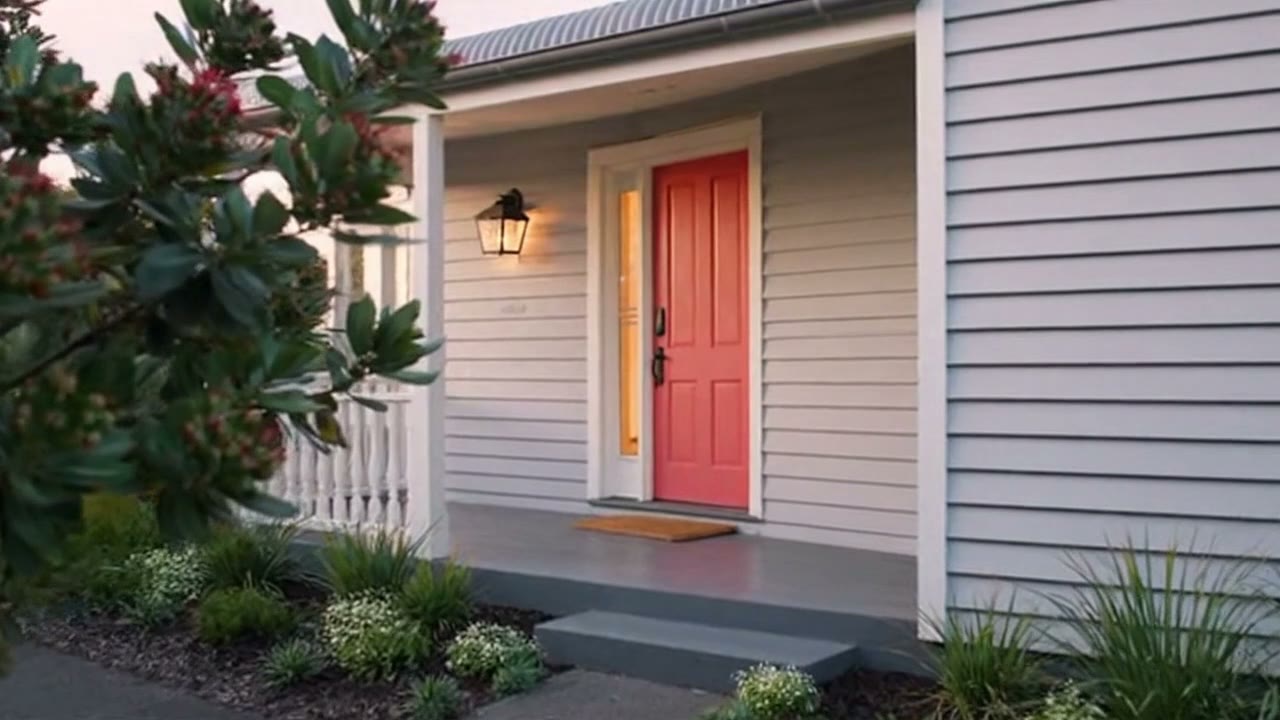
Staging is the art of helping a buyer fall for your home before they have done the maths. When someone steps inside and instantly pictures their own family settling there, sharing meals there, feeling safe there, you have done the most important job of the campaign. That emotional yes is what turns viewings into offers and competing offers into a stronger price. For sellers moving on to the next chapter of their life in New Zealand, good staging is also a way of presenting the home at its best one last time. The encouraging part is that effective staging is mostly about subtraction, light and warmth rather than expensive furniture. This guide covers the practical staging tips that work in New Zealand homes, how to depersonalise without making a place feel cold, and when paying for professional staging is genuinely worth it.

Quick answer
The core of home staging is simple: declutter hard, depersonalise enough that buyers can imagine themselves living there, maximise light and space, and add just enough warmth that the home feels lived-in and loved rather than empty. Clear surfaces and pack away excess furniture so rooms feel bigger. Remove most personal items, family photos and anything too specific to your taste, so buyers see their life in the space, not yours. Open curtains, clean windows and turn on lights so every room is bright. Style the key rooms, the living area, kitchen, main bedroom and outdoor living space, with neutral, tidy touches: fresh linen, a few cushions, a plant or some flowers, a set dining table. Make the front of the home welcoming, since first impressions start at the gate. For vacant homes or higher-value properties, professional staging, where a company brings in furniture and styling, can make a real difference, though it is a cost, so weigh it against your price bracket. Whether you do it yourself or hire help, the goal is the same: a home that feels warm, spacious and easy to picture as someone's own.
The detail, in plain English
Staging builds on good preparation, so get the basics done first, as covered in our guide to preparing your house at /prepare-house-for-sale-nz/, then style on top. Begin with decluttering, because it is the highest-impact move and it costs nothing. Clear kitchen benches down to a few attractive items, tidy bookshelves so they look curated rather than crammed, empty wardrobes and cupboards to about half full so storage reads as generous, and remove surplus furniture so each room has clear floor space and an obvious purpose. A room with too much in it feels small; the same room half-empty feels generous. Next, depersonalise, but do it with care. Pack away most family photographs, religious or political items, children's wall art and very personal collections, so buyers are not distracted from imagining their own life there. The mistake to avoid is going so far that the home feels like a sterile showroom, because warmth sells. Keep a few tasteful, neutral touches that signal a happy, cared-for home: fresh flowers, a bowl of fruit, soft throws, good-smelling clean air. Then work the light, which matters enormously in New Zealand homes. Open every curtain and blind, clean the windows so the light pours in, replace any dim or mismatched bulbs with bright warm-white ones, and if you have viewings on a grey day, turn on lamps to lift the mood. Style room by room with the buyer's eyes. In the living area, arrange furniture to show a comfortable, sociable space with a clear focal point. In the kitchen, clear and clean every surface and add one or two simple touches. In the main bedroom, dress the bed with crisp neutral linen and keep bedside tables minimal, aiming for a calm, restful feel. Make bathrooms feel like a clean hotel, with fresh towels and nothing personal on display. Crucially in New Zealand, stage the outdoor living spaces too: set the deck table, tidy the garden, add a couple of pot plants, and show how the indoor and outdoor flow works, because that lifestyle is a genuine selling point. Do not forget the entrance, since the first few seconds at the front door set the tone, so make it clean, welcoming and bright. On professional staging, it can be well worth it in two situations: when the home is vacant, because empty rooms look smaller and colder and buyers struggle to gauge scale, and when the property sits in a price bracket where the staging cost is small relative to the sale and the buyers expect a polished presentation. Staging companies bring in furniture, art and styling for the campaign period for a fee, and a good agent can advise whether it stacks up for your home. Staging costs vary, so treat any figure as a judgement call and get a quote before committing.
What it means for you
If you are on a tight budget, you can achieve most of the benefit yourself: declutter relentlessly, depersonalise thoughtfully, flood the home with light, and add a few warm neutral touches, focusing your effort on the rooms and the outdoor spaces buyers care about most. If your home is vacant, or sits in a bracket where presentation is expected, getting a quote for professional staging is a sensible step, because the lift in buyer feeling and offers can more than cover the cost. The line to walk is warm but neutral: personal enough to feel like a loved home, neutral enough that any buyer can see their own family there. A good local agent will tell you honestly how much staging your home needs and whether to do it yourself or bring in help. Done well, staging is the final, caring touch on a home before you pass it on, and it gives you the best chance of moving forward to your next safe home on strong terms.
Common questions
Does staging really make a difference to the price? Often yes, because it helps buyers connect emotionally and see the home's full potential, which can lift both interest and offers. Should I depersonalise completely? Depersonalise enough that buyers can picture their own life there, but keep some warmth, since a totally sterile home feels cold and uninviting. Is professional staging worth the cost? It is most worth it for vacant homes and higher-value properties where empty rooms look small or buyers expect polish, so get a quote and weigh it against your bracket. What rooms matter most to stage? The living area, kitchen, main bedroom, bathrooms and the outdoor living space, plus a welcoming entrance, since these drive the strongest impressions. Can I stage a home myself? Yes, most of the impact comes from decluttering, depersonalising, light and a few neutral touches, all of which you can do without hiring anyone.
Your next step
Good staging is mostly about subtraction, light and warmth, and it gives buyers the emotional yes that drives stronger offers, whether you do it yourself or bring in a professional for a vacant or higher-value home. To build on it, start with the fundamentals in our guide to preparing your house at /prepare-house-for-sale-nz/, see how staging fits the wider campaign in our marketing guide at /staging-marketing-prep-to-sell/, and if you are selling an apartment, read our specific tips at /how-to-sell-an-apartment-nz/. When you want a local agent to advise how much staging your home needs and whether to hire help, Maifang can match you with one, free and with no obligation. Start at /contact/.
In plain English: In plain English: stage your home by decluttering hard, depersonalising just enough, maximising light and adding a little warmth, focusing on the key rooms and outdoor spaces, and consider professional staging when the home is vacant or in a bracket where the cost is small next to the sale.
General information, not personalised real-estate, legal or financial advice. Confirm your situation with a licensed adviser. Read the full disclaimer →