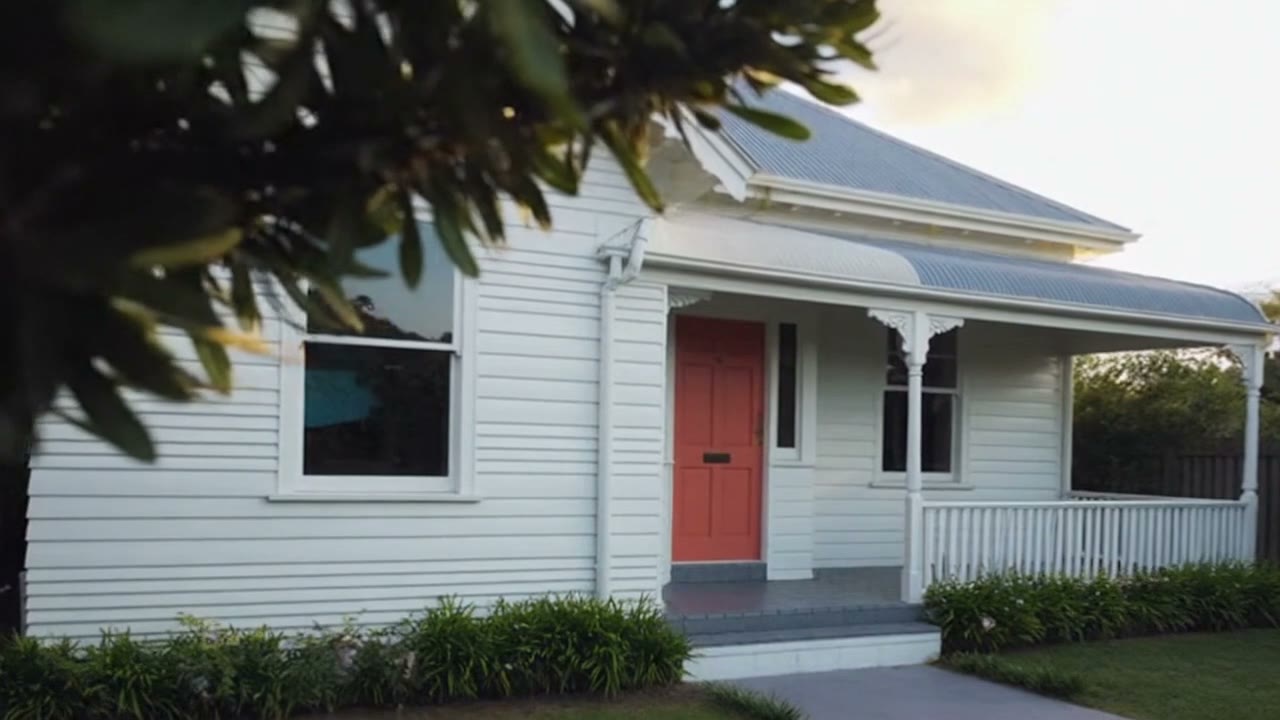
When you decide to sell, the home that has been a comfortable backdrop to your life suddenly becomes a product that buyers will judge in seconds. That shift in mindset is the real work of preparing to sell. Buyers in New Zealand mostly start online, scrolling listings on their phone, and they form a strong impression of your home from a handful of photos before they ever decide to visit. Then, at the open home, they decide in the first moments whether this feels like a place they could settle into and call their own. Good preparation and marketing are about earning those two impressions, the scroll and the doorway, so that more buyers want to see your home and more of them can picture their life in it. The reward is a faster sale and, often, a stronger price. This guide covers what to fix, what to declutter and stage, how the listing and photos do the heavy lifting, and where your marketing money is well spent. It is general guidance current at the time of writing; a good local agent will tailor it to your home and your market.
First impressions sell homes
Almost every sale now begins on a screen. A buyer sees your listing among dozens of others, and within a second or two of looking at the lead photo they decide whether to tap in or scroll past. If they do tap in, the next photos and the headline decide whether they save it, share it with a partner, and book a viewing. By the time they arrive at the open home, your home has already done most of its selling online, and the visit confirms or breaks the impression the listing created. This is why presentation is not vanity; it is the mechanism that turns browsers into viewers and viewers into offers. The goal at every stage is to help a buyer feel something: that this could be their home, a safe and settled place for their family. You do that by making the home look cared for, light, spacious and welcoming, both in the photos and in person. You are not trying to deceive anyone; you are showing your home at its honest best, the way you would tidy before guests arrive, just turned up a notch for the most important guests you will ever host.
High-value, low-cost repairs
Before you reach for big renovations, fix the small things, because they return far more per dollar. Buyers notice peeling paint, a dripping tap, a cracked window, a sticking door, scuffed walls and tired silicone in the bathroom, and they quietly add up the niggles into a sense that the home has not been looked after. A weekend of patching, a fresh coat of neutral paint on the worst walls, new tap washers, a tidy of the garden and a thorough clean often lift the feel of a home dramatically for a modest spend. Resist the temptation to undertake a major kitchen or bathroom renovation purely to sell, because those rarely return their full cost and can delay your campaign for months. The smart spend is on cheap, visible wins that remove buyer objections: clean, fresh, tidy and working. A good agent will walk through with you and point out the specific repairs worth doing for your home and market, and just as importantly, the ones that are not worth your money. For the wider checklist of getting a home market-ready, read how to prepare your house for sale at /prepare-house-for-sale-nz/.
Decluttering and staging that works
Decluttering is the single most powerful and cheapest thing most sellers can do. Rooms full of personal belongings look smaller, busier and harder for a buyer to imagine living in, while clear surfaces and pared-back furniture make rooms feel larger, lighter and calmer. Pack away the excess, thin out wardrobes and bookshelves, clear kitchen benches, and remove most of the family photos and personal clutter, so a buyer sees the space rather than your life in it. Staging takes the next step by arranging furniture and adding a few neutral, tasteful touches to help buyers picture how they would live there. Staging can range from simply rearranging and tidying what you own, to hiring furniture for an empty or dated home. It often helps presentation, but the right level genuinely depends on your home, your buyers and your budget, and full professional staging is not always worth the cost. The principle is to make rooms feel spacious, neutral and easy to imagine yourself in, so buyers form an emotional connection rather than getting distracted by your stuff. Your agent can advise how far to take it for your particular property.
Photography and online listing
If most buyers meet your home online first, then professional photography is rarely the place to cut corners. Bright, well-composed photos taken by a property photographer make a home look its best and dramatically outperform phone snaps in a crowded listing, and they are usually a modest part of the overall marketing budget. The same goes for the listing itself: a clear, accurate written description that highlights the home's genuine strengths and its setting, paired with a strong lead image, is what stops the scroll. Many sellers also add a floor plan, which buyers value highly because it helps them understand the layout before visiting, and some add video or a virtual tour for higher-value or harder-to-visit homes. The listing should be honest, because misleading buyers wastes everyone's time and erodes trust, but it should also be confident, showing the home at its best the way good photos do. This is craft as much as cost, and it is one of the clearest places where a capable agent earns their fee, by getting the photos, the words and the presentation right so your home stands out among the others a buyer is scrolling through.
Marketing spend: what's worth it
Marketing a home costs money, and it usually comes from the seller on top of the agent's commission, so it is worth understanding where it goes. Typical costs include professional photography, the listing fees on the major online portals, signage, printed material, and sometimes premium placement to push your listing higher in search results, plus any staging you choose. The strongest, most universal spend is professional photography and a prominent online listing, because that is where almost every buyer starts and where your home wins or loses attention. Beyond that, the right mix depends on your home, its price bracket and your market: a sought-after family home in a busy market may need less push than an unusual property in a quiet one. Be wary of paying for marketing that mainly raises the agency's profile rather than selling your specific home, and ask your agent to set out the proposed spend clearly, item by item, and to explain what each part is expected to achieve. Marketing is part of the real cost of selling, so weigh it alongside commission and the other fees, which you can explore in the agent commission and selling costs guide at /agent-commission-selling-costs/.
Get an agent who markets well
Preparation gets your home ready; a good agent turns that readiness into the best result. Marketing well is a genuine skill, knowing which repairs and staging matter for your home, briefing a strong photographer, writing a listing that draws buyers in, choosing the right method of sale and the right marketing mix, and then running open homes and negotiating offers with skill. When you compare agents, look closely at how they propose to present and market your specific home, not just at their commission rate, because a slightly higher fee with sharper marketing can easily pay for itself in a stronger sale price. Ask to see how they have presented similar homes, what marketing they recommend and why, and how they will justify the spend. The right agent should feel like a partner who is investing in showing your home at its best, because their success is tied to yours. Maifang can match you, free and with no obligation, with capable local agents so you can compare their marketing approach side by side rather than cold-calling several agencies yourself. To get started, find a local agent at /find-a-local-agent/ or get in touch at /contact/.
In plain English: In plain English: sell with presentation, declutter hard, do the cheap visible repairs, stage to the level your home needs, and invest in professional photos and a strong online listing, because most buyers judge your home on a screen first. Then pick an agent on how well they will market your specific home, not just on the lowest commission.
General information, not personalised real-estate, legal or financial advice. Confirm your situation with a licensed adviser. Read the full disclaimer →