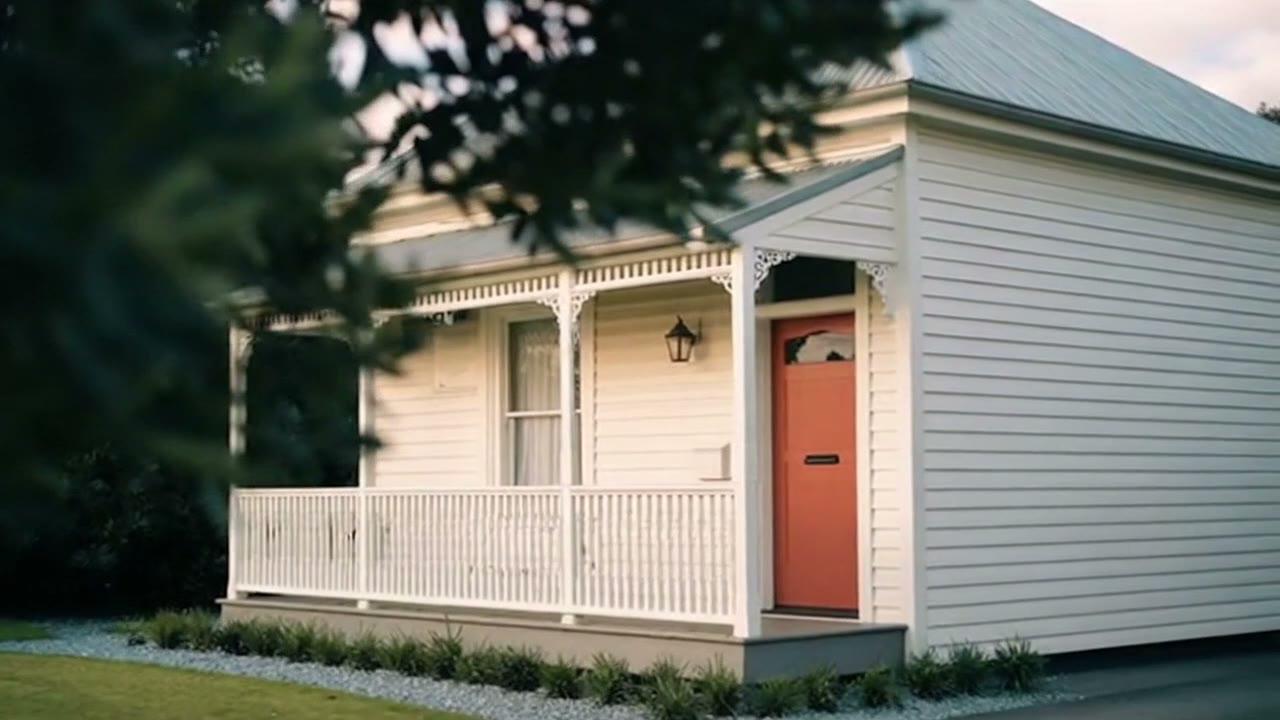
The weeks before a home goes to market are where a lot of the final price is quietly decided. A buyer walking through your door is not just inspecting a property; they are imagining their own life there, and how the home feels in those first moments shapes what they are willing to pay. If you are selling to move somewhere safer, closer to family, or simply onward to the next chapter, the effort you put into presentation is really about giving your home the best chance so you can move on with confidence. The good news is that the moves that matter most are mostly about effort and care rather than big spending. This guide walks through how to prepare a house for sale in New Zealand: the repairs worth doing, what to declutter and clean, how to lift the presentation, and where to stop so you do not overspend on the way out the door.

Quick answer
To prepare a house for sale, focus on three things in order: fix the obvious faults, declutter and deep-clean, then lift the presentation. Start by repairing the small things that signal neglect, such as dripping taps, sticking doors, cracked window seals, peeling paint and a tired front door, because buyers read these as a warning sign about the whole home. Next, declutter ruthlessly and clean until everything sparkles, including windows, carpets, kitchens and bathrooms, since space and cleanliness are what buyers respond to most. Then improve the presentation with neutral, tidy styling, good light, and strong street appeal at the front. Tackle outdoor areas too, because in New Zealand the garden, deck and outdoor flow are a real selling point. Avoid sinking money into major renovations right before selling, as you rarely recover the full cost; the best return usually comes from clean, fresh and well-presented rather than newly renovated. Always confirm any structural or compliance concerns with the right professional, since a builder's report can surface issues a buyer will raise anyway.
The detail, in plain English
Work through your home the way a buyer will experience it. Begin at the street, because first impressions form before anyone walks inside. Mow the lawn, trim the edges, weed the gardens, water-blast the path and driveway, tidy the letterbox, and give the front door and door hardware some attention, since a fresh or freshly painted front door lifts the whole arrival. Inside, the single highest-value job is decluttering. Clear surfaces, pack away excess furniture and personal items, empty overstuffed wardrobes and cupboards so storage looks generous, and remove anything that makes a room feel smaller or busier. A decluttered home photographs better, shows bigger, and lets buyers picture their own things in the space. Then clean to a standard beyond your normal routine: windows inside and out for maximum light, carpets professionally cleaned if they need it, kitchen and bathroom surfaces, grout and fittings spotless, and any lingering smells dealt with, as smell is a powerful and subconscious signal. Next, attack the small repairs that quietly cost you money. Fix dripping taps, replace blown light bulbs, oil squeaky hinges, patch and touch up scuffed walls, re-silicone tired bathroom edges, and make sure everything that should work, works. These are cheap to fix but expensive to ignore, because a buyer who spots three small faults assumes there are thirty they cannot see. Address damp and ventilation, since New Zealand homes can suffer from condensation and mould, and visible mould or a musty smell frightens buyers; clean it, fix the cause where you can, and ventilate well. Then turn to presentation: keep styling neutral and warm so the widest range of buyers can imagine themselves there, maximise natural light, add fresh touches like a tidy garden in bloom, and make outdoor living spaces feel like an extension of the home, which matters a great deal in the New Zealand market. Light staging or rearranging your own furniture can help, and full professional staging is worth considering for the right home, which we cover in our home staging guide at /home-staging-tips-nz/. Finally, know where to stop. Major kitchen or bathroom renovations done purely to sell rarely return their full cost, and you risk choosing finishes the buyer would not have. The aim is a home that feels cared for, clean, light and spacious, not one you have re-renovated for someone else. Repair and presentation figures vary widely, so treat any spend as a judgement call and get quotes before committing to anything larger.
What it means for you
Put your money and energy where buyers actually respond: a clean, decluttered, well-lit, well-presented home with strong street appeal and no obvious faults. That combination lifts both the number of interested buyers and what they are prepared to offer, often for a fraction of what a renovation would cost. Resist the urge to over-improve, and instead get the basics excellent. It is also worth being upfront with yourself about anything a buyer's builder's report is likely to find, because surfacing and explaining an issue is far better than having it discovered mid-campaign. A good local agent will walk through your home before it lists and tell you exactly what is worth doing for your suburb and price bracket, which saves you from spending on things that will not move the needle. Preparing well is not just about price; it is about handing over a home you can feel proud of as you step into the next, safer, settled chapter of your life in New Zealand.
Common questions
What gives the best return when preparing to sell? Cleaning, decluttering and small repairs almost always return more than they cost, while major renovations usually do not. Should I renovate the kitchen or bathroom before selling? Generally no, because you rarely recover the full cost and may pick finishes a buyer would not; fresh, clean and well-presented usually beats newly renovated. How important is the garden and outdoor area? Very, since outdoor living and street appeal are strong selling points in New Zealand, so tidy gardens, decks and the front of the home matter. What about mould or damp? Deal with it before listing, because visible mould or a musty smell worries buyers, so clean it, fix the cause where you can, and ventilate well. Do I need to do everything myself? No, you can get help with cleaning, gardening and minor repairs, and a local agent can advise what is worth doing for your home.
Your next step
Preparing your home well is one of the highest-return things you can do before selling, and it is mostly about care and effort rather than big spending: fix the faults, declutter and deep-clean, lift the presentation, and stop before you over-renovate. To take presentation further, read our home staging tips at /home-staging-tips-nz/, see the wider campaign in our staging and marketing guide at /staging-marketing-prep-to-sell/, and understand the full sale in our selling process guide at /selling-process-nz/. When you want a local agent to walk your home and tell you exactly what is worth doing for your market, Maifang can match you with one, free and with no obligation. Start at /contact/.
In plain English: In plain English: fix the obvious faults, declutter and deep-clean, then lift the presentation and street appeal, but stop before major renovations, because a clean, light, well-presented home almost always returns more than it costs while a costly renovation rarely pays for itself.
General information, not personalised real-estate, legal or financial advice. Confirm your situation with a licensed adviser. Read the full disclaimer →