
For some New Zealand homeowners, the land they already own holds untapped potential. Subdivision, splitting one property into two or more separate titles, can free up equity, create a site to build on for family, or open the door to selling part of your land. It can be a meaningful way to build security from a home you have already settled into. But it is a genuine project, not a quick win, with council consents, professional input and real costs involved. Knowing the basics up front helps you judge whether it is worth exploring for your property before you commit time and money.
Quick answer
Subdivision is the legal process of dividing one piece of land into two or more separate titles that can be sold, financed or built on independently. Whether it is even possible depends on your council district plan rules, things like minimum lot sizes, zoning, access, services and site shape, so the first step is always checking what your zone allows. If it is feasible, the process generally involves resource consent for the subdivision, surveying and a survey plan, engineering and infrastructure work (water, wastewater, stormwater, power, access), council sign-off, and finally new titles issued through Land Information New Zealand. It can add significant value by creating a saleable second site or releasing equity, but the costs, including consent fees, surveyor and planner fees, development contributions and physical works, can be substantial and vary widely. Timeframes are measured in many months, not weeks. Before counting on any profit, get advice from a surveyor and planner on feasibility for your specific property.
The detail, in plain English
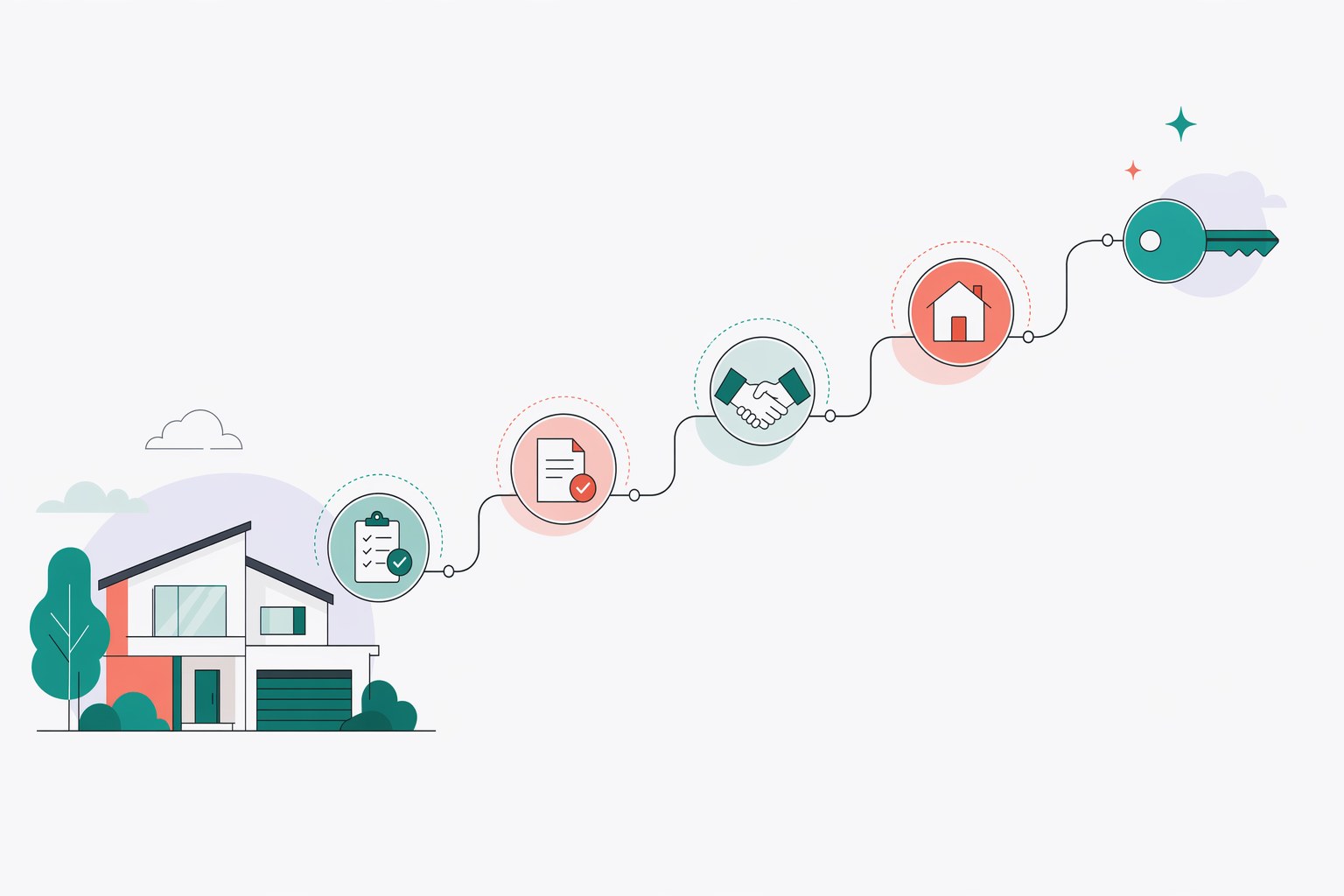
Every subdivision starts with the rules. Your local council district plan sets out what is permitted in your zone: the minimum size of new lots, how each must access the road, the services they need, and limits like setbacks and site coverage. A planner or surveyor can quickly tell you whether your land has potential. If it does, you typically apply for resource consent for the subdivision, which may be straightforward or may require addressing effects on neighbours, traffic, drainage and the like. A licensed surveyor prepares the survey plan defining the new boundaries. Then comes the physical side: many subdivisions need new or upgraded services and access, which is often the biggest cost. Councils may also charge development contributions toward wider infrastructure. Once works are completed and certified and conditions met, the survey plan is deposited and new certificates of title are issued. Cross-lease and unit-title structures are sometimes used to divide a site without a full freehold subdivision, but they carry their own limitations, so weigh the options with professionals.
What it means for you
Subdivision can be a powerful way to make your property work harder, building one more dwelling for family, creating a section to sell, or unlocking equity to fund your next move, all of which can strengthen a family long-term position. But the numbers must stack up. The value created has to comfortably exceed the total cost of consents, surveying, services, contributions and any borrowing, and there is real uncertainty until consent conditions are known. It also takes patience, often many months of process before you see a result. For sellers, even subdivision potential can add appeal: a property a buyer could one day split may attract a premium, and being able to show a feasibility view helps. The honest message is that subdivision is worth investigating if your zone allows it and your site suits it, but it should be approached as a managed project with proper advice, not as a guaranteed windfall. Confirm feasibility, costs and risk with qualified professionals before you commit.
Common questions
Can I subdivide my section? Only if your council district plan rules allow it for your zone, lot size, access and services; a surveyor or planner can confirm feasibility quickly. How much does subdivision cost? It varies a lot by site and council, covering consent fees, surveyor and planner fees, infrastructure and access works, and development contributions, so get a tailored estimate. How long does it take? Typically many months from feasibility to new titles, depending on consent complexity and the works required. Will it add value? It can, by creating a saleable or buildable second site, but only if the value created exceeds the full cost; that needs careful checking. Do I need consent? Subdivision almost always needs resource consent, and the works usually need engineering approvals, so professional guidance is essential. Should I get advice first? Yes; start with a surveyor or planner on feasibility before spending on anything else.
Your next step
Subdivision can quietly turn the land you already own into your next opportunity, but it pays to test feasibility before you invest. Maifang is free and independent, and we can connect you with the right professionals to scope it out, and with a local agent who can tell you how subdivision potential affects value and selling in your area. Tell us your suburb and what you are considering, and we will point you to suitable people, with no obligation and your details kept private. Whether it leads to a new home for family or a stronger financial footing, the smart first step is simply finding out what your land can do.
In plain English: Subdivision splits one title into two or more, which can unlock real value, but it needs council consent, surveying, services and time, and the costs can be large. Check feasibility with a surveyor or planner before you count on any profit.
General information, not personalised real-estate, legal or financial advice. Confirm your situation with a licensed adviser. Read the full disclaimer →